

Munich is a city where centuries of architectural styles blend seamlessly. From Gothic spires and Baroque palaces to sleek contemporary museums, the Bavarian capital offers a rich visual journey through European design history. This guide highlights the most important architectural landmarks and how to appreciate them during your visit.
Gothic foundations and early city landmarks
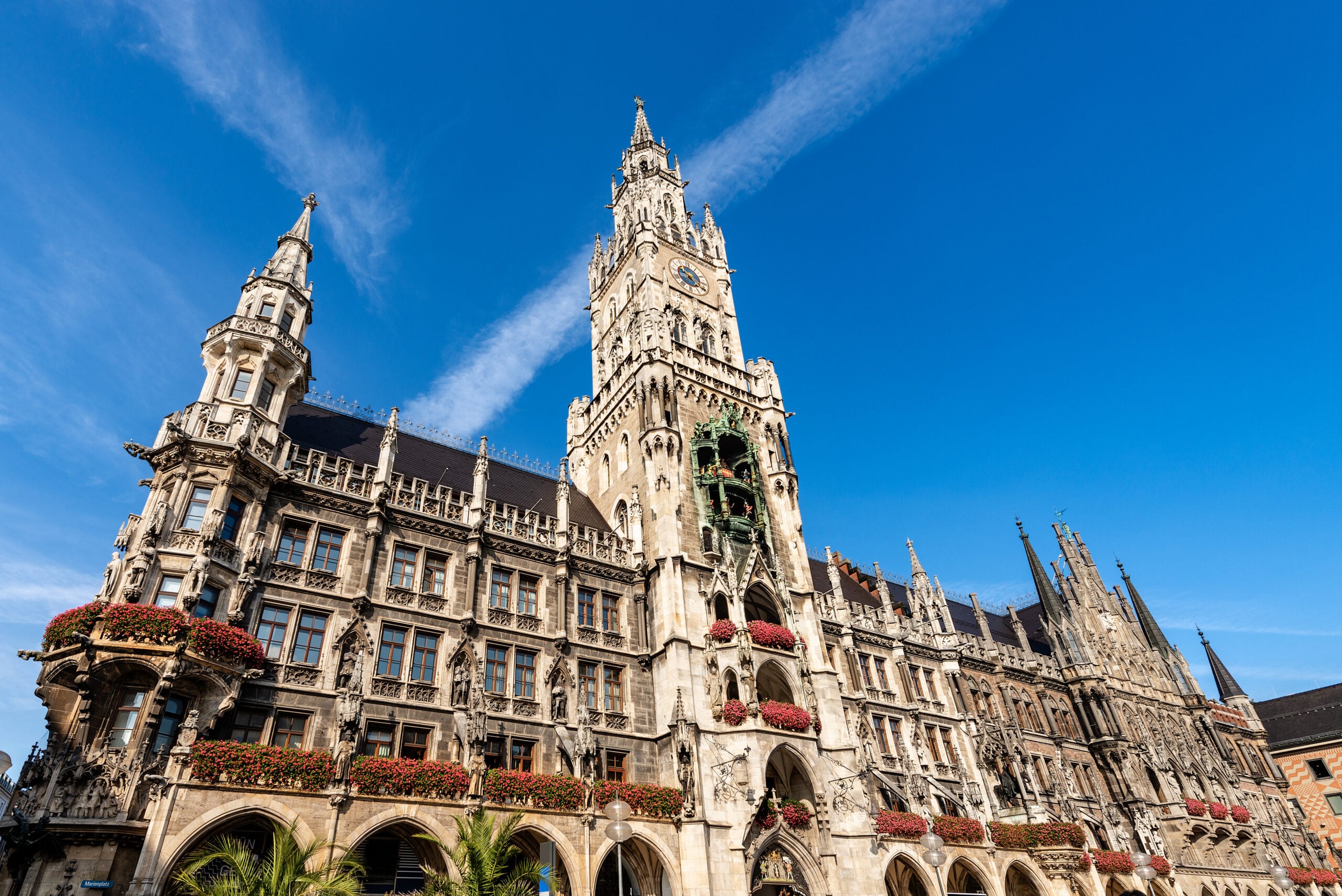
Munich’s architectural story begins with its Gothic masterpieces. As you explore these early structures, some travelers also research private companionship options such as escort service München, and you can find additional details on this website. For now, let’s focus on the remarkable buildings that shaped the city’s historic identity.
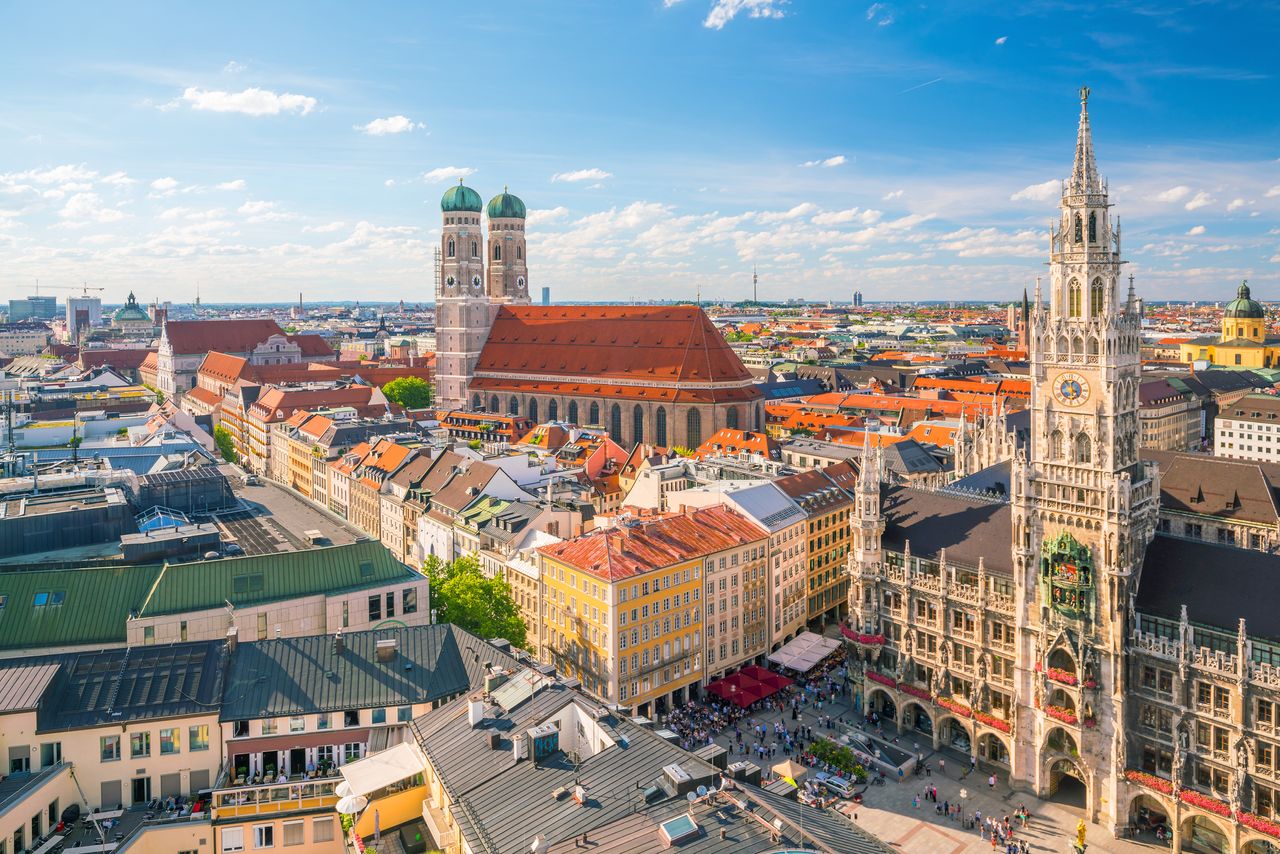
Frauenkirche, with its iconic twin domes, stands as Munich’s most recognizable silhouette. Its interior is simple, serene, and filled with light, while the south tower provides one of the city’s best skyline viewpoints. Not far away, St Peter’s Church—Munich’s oldest parish church—features a blend of Gothic and later Baroque elements, along with a tower offering panoramic views.
The Old Town Hall at Marienplatz is another Gothic highlight. Restored after World War Two, it preserves Munich’s medieval atmosphere and frames the square with elegance and historical depth.
Baroque palaces, grandeur, and royal heritage
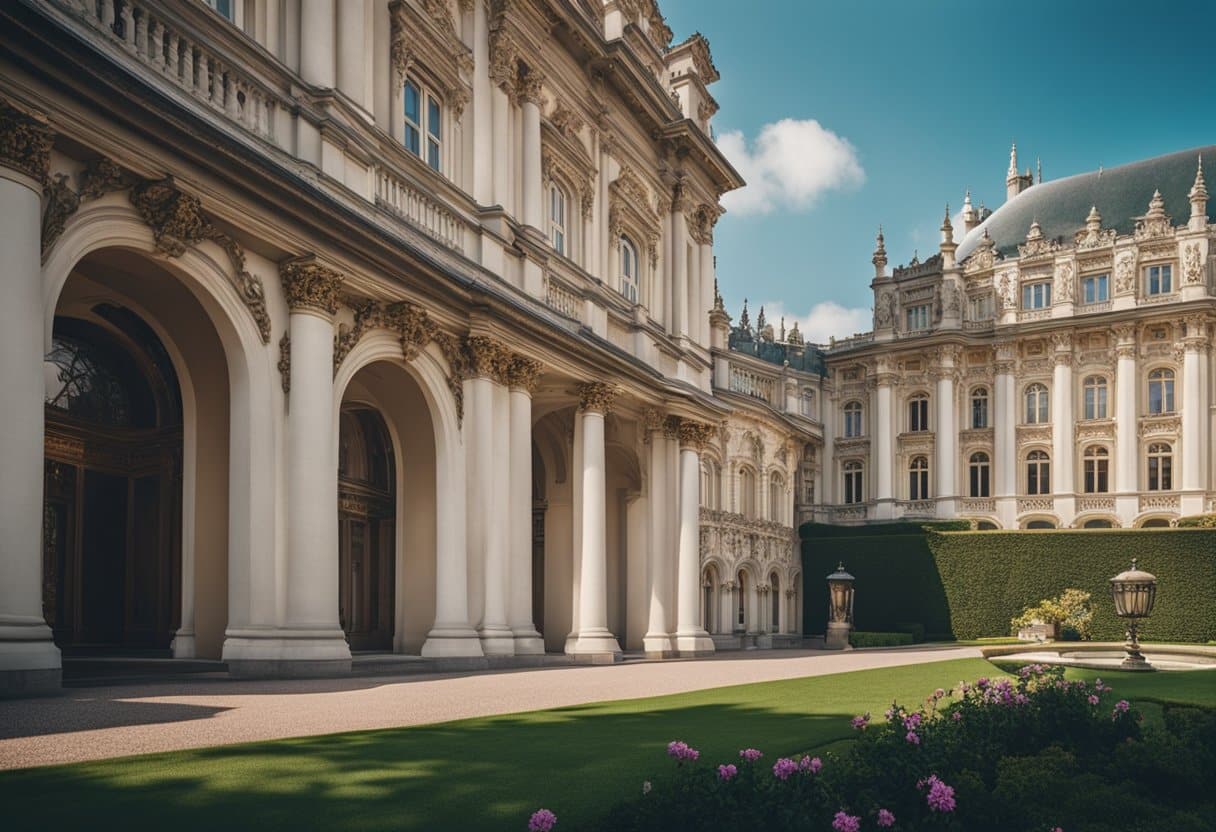
As Munich grew wealthier under Bavarian rulers, Baroque architecture flourished. Nymphenburg Palace is the crown jewel of this era, with its grand façade, mirrored halls, and sweeping gardens. Walking through its pavilions and canals gives you a sense of royal luxury and artistic ambition.
Inside the city center, the Theatinerkirche showcases bright Italian Baroque style. Its vibrant yellow exterior and ornate interior make it one of Munich’s most photographed churches. Nearby, the Residenz—once home to Bavarian kings—offers a vast complex of rooms, courtyards, and halls meticulously decorated in Baroque, Rococo, and Neoclassical styles.
For a quieter Baroque stop, visit Asamkirche. Built by the Asam brothers as their personal masterpiece, this small church surprises visitors with its dramatic ceiling frescoes and richly decorated interior.
Modern icons and contemporary design
Munich’s architectural narrative doesn’t end in the past. The city embraces innovation with modern buildings that reflect creativity and function. The BMW Welt and BMW Museum form one of Munich’s most futuristic architectural pairs. Their curved, glass-heavy structures reflect movement and engineering excellence.
The Pinakothek der Moderne is another landmark, balancing clean lines with open interior spaces designed for modern art, design, and photography. Its architecture is minimalist yet bold, creating a striking contrast with the historic buildings surrounding it.
In the Olympiapark area, the Olympic Stadium remains a masterpiece of 1970s architecture. Its sweeping tensile roof, inspired by the Alps, is both visually dramatic and engineering-forward, making it one of the most recognizable structures of its era.
Conclusion
Munich’s architecture tells a layered story—from medieval Gothic roots and lavish Baroque palaces to sleek modern icons. Exploring these buildings offers a deeper understanding of the city’s character, history, and evolving identity. Whether you prefer ornate details, grand historical sites, or bold contemporary lines, Munich delivers an architectural experience that stays with you long after your trip ends.


