

Large infrastructure projects depend on reliable electrical systems to support safe operation, long-term performance, and efficient energy distribution. Whether the project involves renewable energy, industrial facilities, utilities, or transport infrastructure, electrical design plays a vital role in ensuring every component operates together as intended.
Poor planning during the design stage can lead to costly construction delays, equipment failures, operational disruptions, and expensive modifications after installation. Investing in detailed engineering from the beginning helps minimise these risks while improving project outcomes.
Careful electrical design provides the foundation for infrastructure that remains safe, efficient, and reliable throughout its operational life.
Develop A Strong Design Before Construction Begins
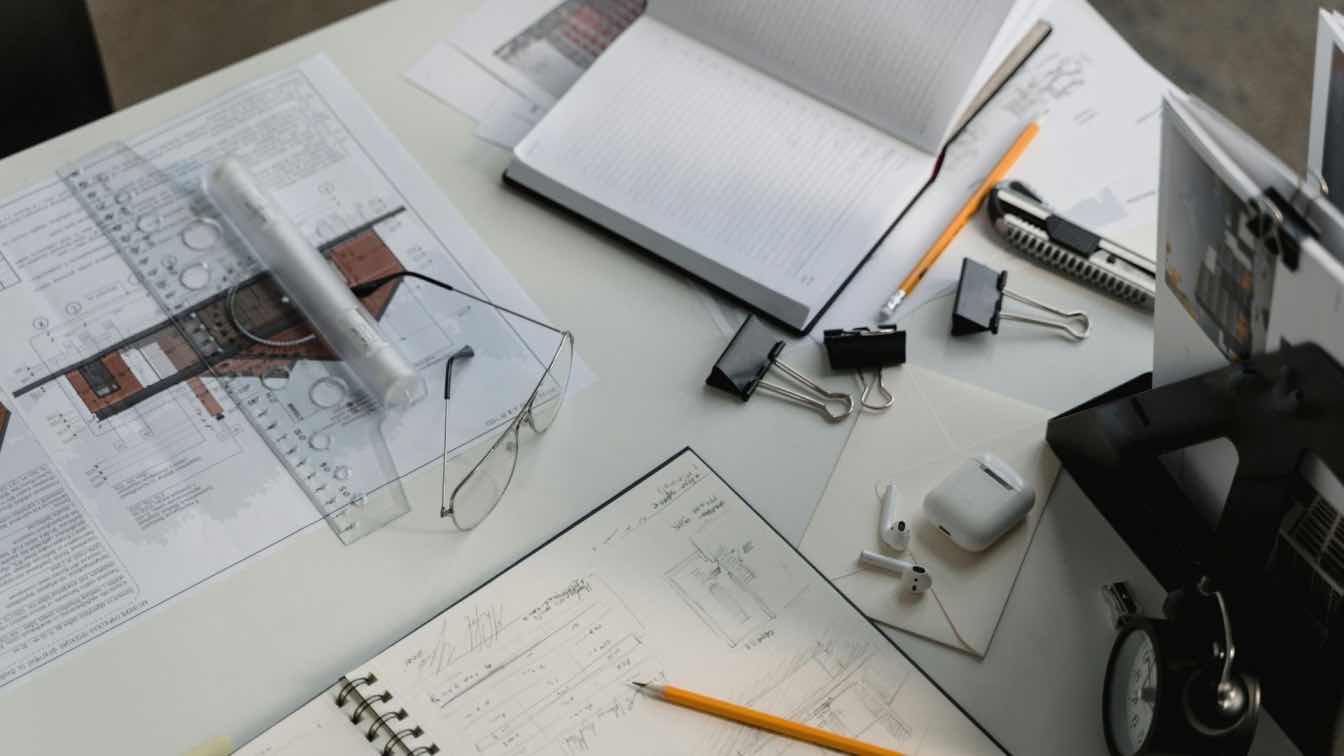
Project owners and engineers should explore substation design (click here) to better understand how detailed engineering supports reliable power distribution, equipment integration, protection systems, and long-term operational performance across complex electrical infrastructure projects.
A comprehensive design process considers system capacity, equipment selection, protection coordination, network reliability, and future expansion requirements.
Addressing these factors early allows engineering teams to identify potential issues before procurement and construction begin.
Early planning also helps ensure electrical systems comply with relevant industry standards while reducing the likelihood of unexpected design changes during project delivery.
Well-developed engineering designs contribute to smoother construction and more dependable infrastructure.
Reduce Construction And Operational Risk
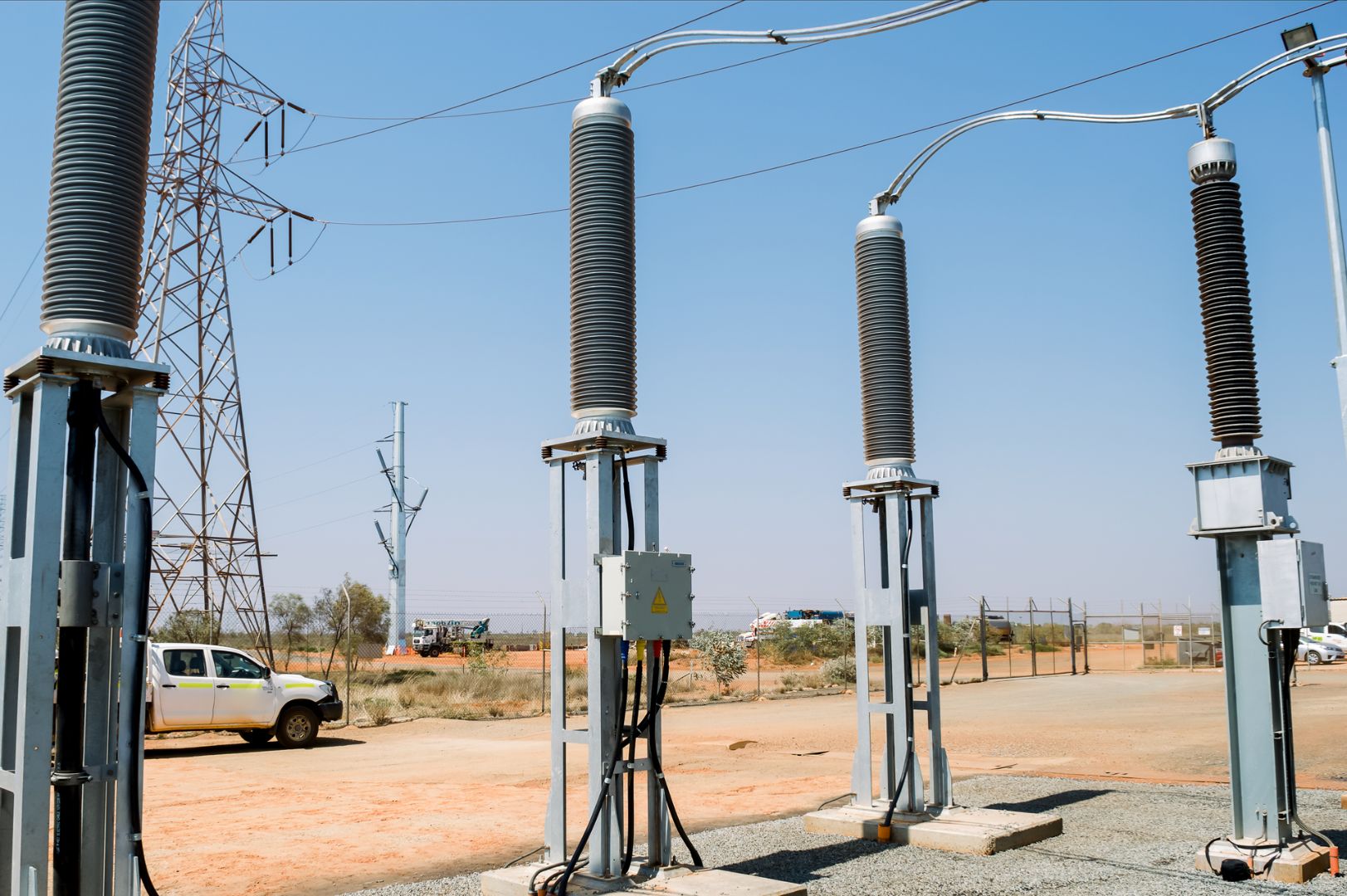
Electrical design affects every stage of a project’s lifecycle, from installation through long-term operation.
Identifying technical challenges before construction begins allows contractors to avoid unnecessary delays, reduce rework, and improve coordination between engineering disciplines.
Detailed design documentation also supports accurate equipment installation, simplifies commissioning, and improves communication between project stakeholders.
These benefits reduce uncertainty while helping projects remain on schedule and within budget.
Effective engineering decisions during the planning stage often prevent much larger operational problems in the future.
Proactive design reduces risk while supporting more efficient project delivery.
Support Reliable Long-Term Performance
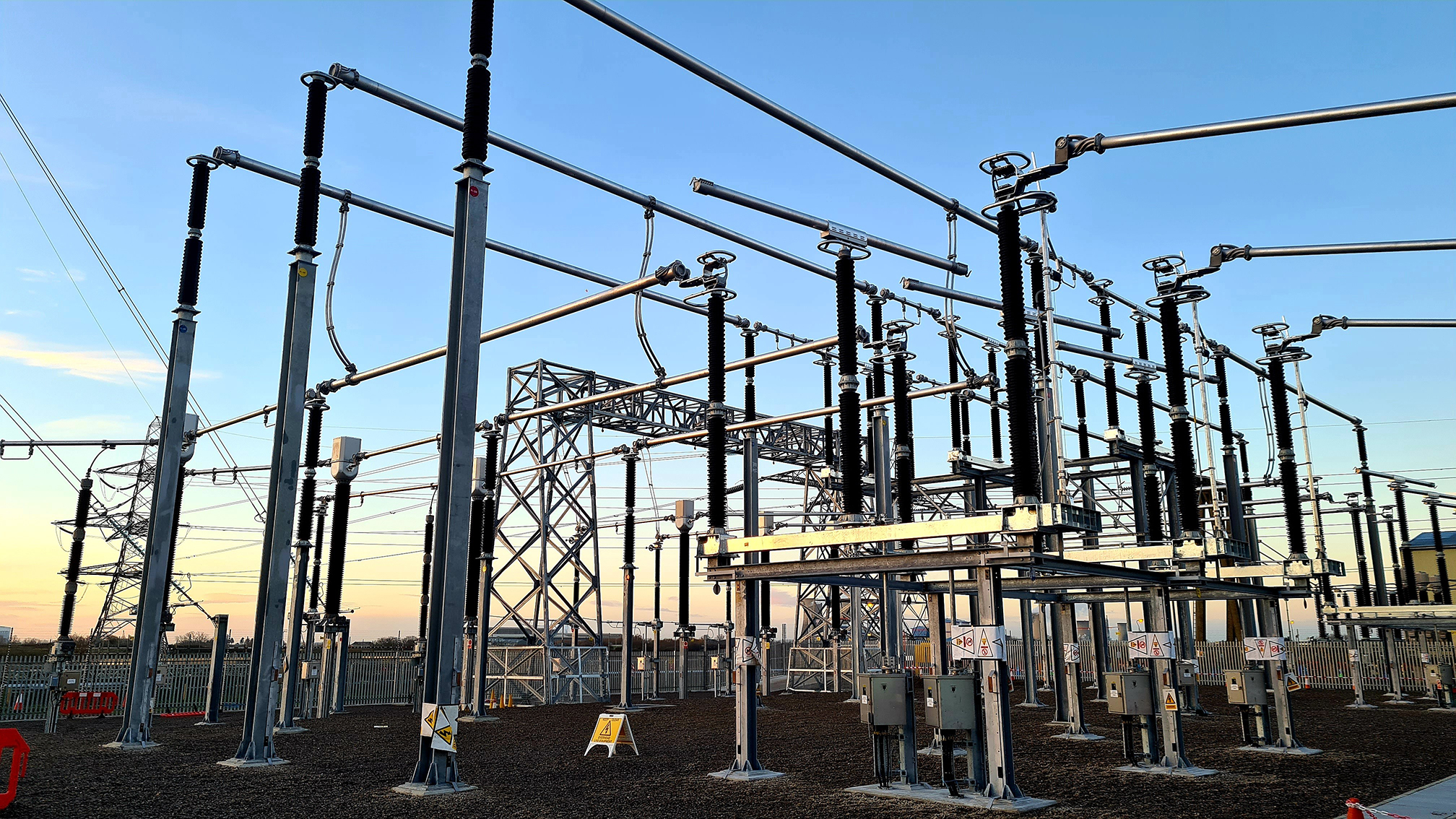
Infrastructure projects are expected to operate safely for decades, making long-term reliability an essential design objective. Electrical systems should be developed with maintenance, future upgrades, and changing operational demands in mind.
Designs that allow for future expansion, efficient maintenance access, and reliable system monitoring help infrastructure owners maximise asset performance throughout the life of the project. Thorough engineering documentation also provides valuable reference material for future maintenance and operational teams.
Long-term planning helps infrastructure remain adaptable as technology and operational requirements continue to evolve.
Reliable electrical design protects both operational performance and long-term investment.
Conclusion
Better electrical design is one of the most effective ways to reduce risk in large infrastructure projects. Careful engineering, early technical planning, and detailed system analysis help minimise construction challenges while improving long-term reliability and operational efficiency.
By investing in comprehensive electrical design before construction begins, project teams can deliver safer, more resilient infrastructure that performs reliably while supporting future growth and evolving energy requirements.


