

Clean schools are essential for creating safe, healthy, and productive learning environments. Classrooms, corridors, cafeterias, restrooms, and shared activity areas are used by many students and staff every day, which makes regular cleaning extremely important. Without proper hygiene routines, germs can spread quickly and indoor spaces can become uncomfortable or unsafe. Professional school cleaning helps reduce health risks, improve organization, and support a better atmosphere for learning.
Why Clean Learning Spaces Matter

Schools require consistent cleaning because students spend many hours inside shared environments. Desks, chairs, door handles, sports equipment, and technology devices are touched repeatedly throughout the day. Many administrators choose to discover cleaning companies for schools because professional cleaners understand how to manage high traffic areas and maintain hygiene standards across different parts of a school building.
A clean learning space helps students feel more comfortable and focused. When classrooms are tidy and fresh, teachers can deliver lessons without distractions caused by clutter, unpleasant odours, or dirty surfaces. Regular cleaning also supports better attendance by reducing the spread of common illnesses.
Reducing Germs and Safety Hazards
School cleaning is not only about appearance. It also plays an important role in preventing health and safety problems. Restrooms, cafeterias, and shared learning areas require careful attention because they can quickly become sources of bacteria and viruses if they are not cleaned properly.
Professional cleaners use structured routines to disinfect high touch surfaces, remove waste, clean floors, and maintain sanitary facilities. This helps reduce the risk of infections spreading between students and staff. Clean floors also lower the chance of slips, trips, and accidents, especially in busy corridors or entrance areas during wet weather.
Safe cleaning practices are especially important in schools because children may be more sensitive to harsh chemicals. Reliable cleaning teams use suitable products and methods that protect hygiene while keeping learning spaces safe for daily use.
Supporting Long Term School Maintenance
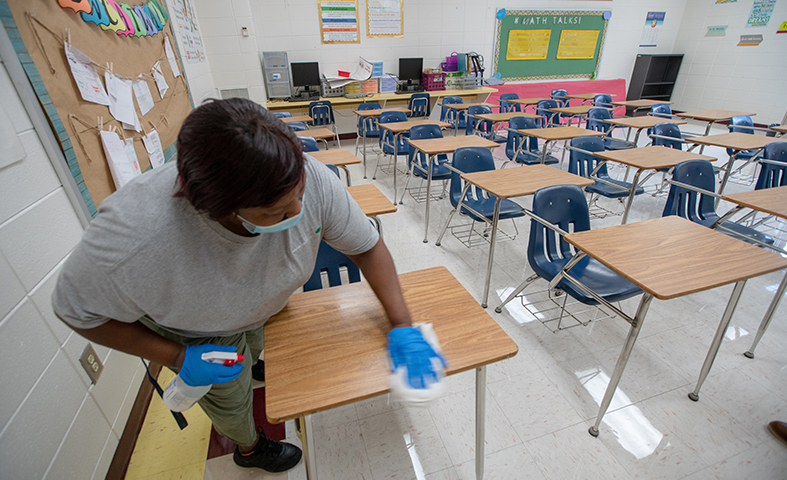
Regular cleaning helps protect school buildings and equipment over time. Floors, carpets, desks, windows, and furniture last longer when they are properly maintained. This can reduce repair and replacement costs while keeping the school environment looking professional and welcoming.
Organized cleaning schedules also help school leaders manage daily operations more efficiently. Different areas may need different levels of attention, from daily restroom cleaning to periodic deep cleaning during school holidays. A planned approach ensures that no important space is overlooked.
Clean schools also make a positive impression on parents, visitors, staff, and students. A well maintained building shows that student wellbeing and safety are taken seriously.
Conclusion

School cleaning is a vital part of maintaining safe and effective learning spaces. By reducing germs, preventing hazards, and protecting school facilities, professional cleaning supports both health and education. Clean classrooms and shared areas help students feel more comfortable, teachers work more effectively, and schools operate with greater confidence. With the right cleaning approach, learning environments can remain safer, healthier, and better prepared for everyday use.


